

Classic Car insurance California
At Number1Ins, we understand that a classic car is more than a ride —
it’s a treasured piece of automotive history.
Whether you own a fully restored antique beauty or a rare vintage model, you need to protect your investment. Classic car insurance protects antique, rare, and collectible vehicles that owners do not use as daily drivers. Unlike traditional auto insurance, it factors in your vehicle’s age, rarity, and value to create customized coverage options. At Number 1 Insurance, our team understands the unique needs of classic car owners and provides comprehensive solutions to protect your prized vehicle. With our coverage, you receive flexible options, agreed value protection, and expert support from agents who truly appreciate collectible cars. Drive with confidence knowing professionals who care as much about your vehicle as you do protect your timeless ride.
Owning a classic or vintage vehicle often reflects years of care, restoration, and attention to detail. These vehicles go beyond simple transportation and represent history, craftsmanship, and personal pride. Standard auto policies often fail to offer proper protection for these vehicles. That’s why classic car insurance plays such an important role, focusing on preserving your vehicle’s true value instead of applying depreciation.
Many owners select agreed value coverage, which lets you and the insurer set the vehicle’s value upfront. If a total loss happens, the policy pays that agreed amount without negotiation. This structure removes uncertainty and reduces stress during difficult situations. Coverage can also include spare parts, restoration materials, and access to repair shops that specialize in vintage vehicles.
For older models with historical value, antique car insurance offers protection designed for limited-use vehicles that owners store and maintain carefully. This coverage reflects how owners drive antique cars differently and expose them to lower risks. Collectors who preserve original parts or complete full restorations often choose policies that respect their time and investment. Antique car insurance supports protection that aligns with each vehicle’s condition and purpose.
Most owners begin by requesting a classic car insurance quote to review coverage options, usage limits, and storage requirements. A classic car insurance quote also clarifies eligibility details, such as mileage limits and garage storage, before you commit to a policy. This clarity helps owners make confident decisions without pressure.
At Number 1 Insurance, we take time to understand how you use and care for your vehicle. Whether you showcase your car at weekend events or keep it stored most of the year, we match coverage to your lifestyle. With expert guidance and customized protection, classic car owners enjoy peace of mind while preserving something truly special.
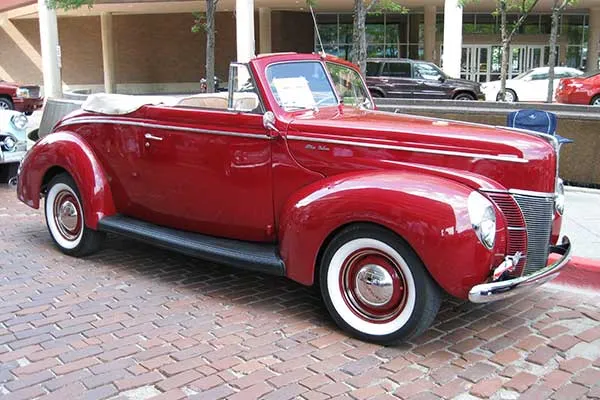
Here are some of the typical coverages offered by classic car insurance policies:
- Agreed Value Coverage:
In the event of a total loss, this coverage pays the full agreed-upon value of your car without applying depreciation. As a result, you receive guaranteed protection. Most importantly, the policy fully covers your vehicle’s true value after an unfortunate event, giving you greater confidence and financial security.
- Liability Coverage:
Liability coverage protects your finances if you cause damage or injury to others while driving your classic car. As a result, you can drive with greater confidence. With classic car insurance in place, you avoid worrying about unexpected accidents affecting your finances or your cherished vehicle.
- Collision Coverage:
This coverage pays for repairs or replacement if your classic car is damaged in a collision with another vehicle or object. As a result, you receive timely support and quality repairs. With classic car insurance in California, you gain protection that helps keep your vintage ride in excellent condition.
- Comprehensive Coverage:
This coverage protects your vehicle from non-collision damages such as theft, vandalism, or natural disasters. As a result, your prized car stays protected. With classic car insurance in place, you reduce the risk of costly repairs caused by unexpected events.
- Spare Parts Coverage:
This coverage protects spare parts or accessories you keep with your car or store separately. As a result, all components of your vehicle, including rare or valuable parts, remain protected against loss or damage. With this insurance in place, you gain added confidence and peace of mind.
- Roadside Assistance:
This coverage offers emergency services such as towing, battery jump-starts, and tire changes. As a result, you can enjoy peace of mind. With this insurance in place, roadside assistance is available whenever your vintage vehicle faces unexpected problems on the road.
Don’t let your classic car go unprotected in California. Contact Number 1 Insurance today to learn more about our customizable classic car insurance options and get a free quote.
Why Classic Car Insurance Matters
Owning a classic car goes beyond driving; it reflects a commitment to preserving automotive heritage, passion, and long-term investment. Standard auto insurance often treats these vehicles like daily drivers by assuming frequent use, applying depreciation, and assigning generic values. Collectible and antique cars carry different risks related to limited use and higher value. A policy designed for classic vehicles recognizes usage limits, accounts for appreciation over time, considers rare or original parts, and reflects proper storage methods, such as garage or climate-controlled spaces.
As specialist insurers indicate, the classic car market continues to grow, as classic vehicles appreciate in value and require additional protection.
What Makes Classic Car Coverage Different
When comparing your classic-car insurance to standard car insurance, there are key differences:
Valuation method: With a classic car policy you are offered an agreed value (you and the insurer fix the amount at the outset) versus actual cash value (which considers depreciation).
Usage patterns: These vehicles are not daily drivers and are often only driven only on weekends, or to show events. Restrictions (for example, mileage limits) limit risk and usually lower premiums.
Storage & condition requirements: Secure, enclosed storage, climate control, and having service records could be significant. These features may qualify you in class, or lower your premium level.
Specialised protections: Classic policies can feature some sort of spare parts coverage, restoration plans, participation in events, and/or transport to shows. Typical policies may not accommodate these niche needs.
What You Should Look For
To ensure your classic car is adequately covered, be sure to pay attention to the following.
Agreed value vs. stated/actual value: Verify that you have an insurance policy, which guarantees the value you deem appropriate, not simply what the depreciated market value justifies. Some “stated value” policies leave you inadequate coverage.
Mileage and usage limits: Ensure you confirm how many allowable miles per year, or what type of driving is acceptable. Driving above these limits can disallow parts of your coverage.
Storage and maintenance conditions: Some insurance companies expect evidence of private garage storage, certain alarm systems, and low mileage. Documenting complete logs and images could be helpful.
Add-on protections: Some endorsements cover restoration, insured transport to shows, spare parts commands, grace period with new acquisitions, or liability for event participants. These extras are critical for collectors.
Claims process and documentation: If anything happen to your car, whether it’s stolen, damaged, or a total loss, the more complete your records (receipts, appraisals, images, restoration logs, etc.), the easier the claim. As one popular article suggests, the most successful claimants are those who are prepared.
Eligibility — Is Your Vehicle Qualified?
Not every vehicle (or usage pattern) can be insured as a classic car. Be honest with yourself and evaluate the following:
Vehicle age and collector status: Many insurers define “classic” as 10 to 20 years old, and “antique” as over 25 years old. Some will even offer “future classic” designation.
Condition and originality: A well-restored or well-preserved vehicle with collector appeal will likely be more desirable than a vehicle that has undergone extensive non-period modifications that influence coverage.
Usage as a non-daily driver: If you are using the vehicle for daily driving, ridesharing, or purposes of occupation, you will likely require another type of policy or exclusions.
Driver profile and separate daily driver: Some insurers will want you to have a different car that you drive every day. The classic car is for enjoyment, not errands.
Smart Ways to Control Your Premium
Classic car insurance is surprisingly inexpensive because insurance risk is low when the vehicle is driven little and stored appropriately. To keep premiums low:
Choose lower mileage usage parameters.
Store the vehicle securely in a private garage or a safe area.
Keep a clean driving record.
If possible, bundle your insurance products (home + classic auto), which many insurers offer as a discount.
Maintain and keep meticulous records (receipts, photos, appraisals, etc.) for all repairs and maintenance performed on the vehicle. Documenting repairs and maintenance on record can help prove your car’s value and eligibility for coverage.